
Vocal Signals
Dog Growling: Warning, Play, Pain, Or Fear?
Punishing a growl is the worst mistake a dog owner can make. Here's the contrarian truth about why your dog is growling and what to do.
Removing the Smoke Detector
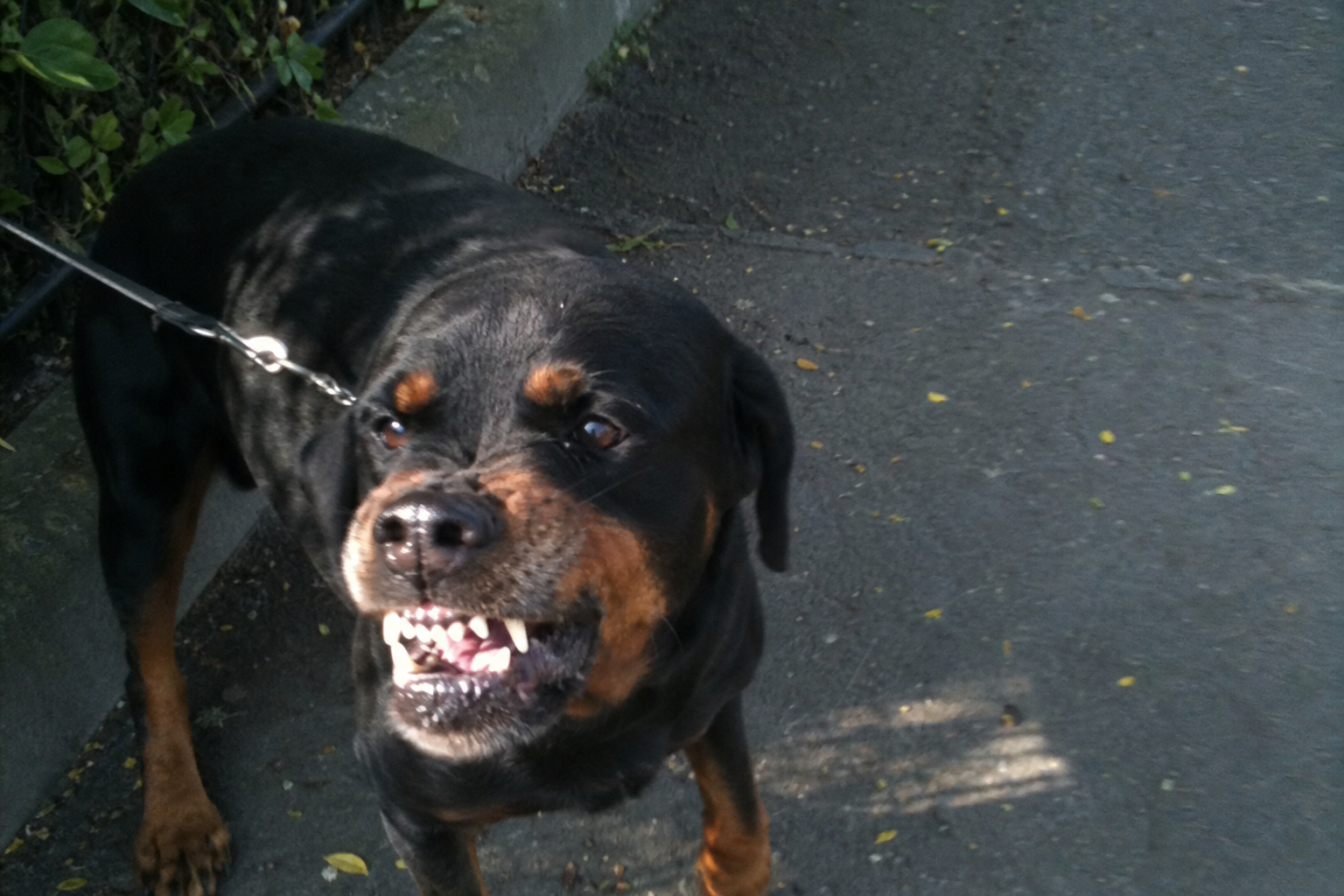
The most dangerous piece of garbage advice you will ever find online is the idea that you need to 'correct' or physically punish a dog for growling. The old-school trainers call it 'showing them who is boss.' I call it removing the batteries from your smoke detector. Managing my own three dogs, five daily regulars, and ten new clients a month means I see the direct results of terrible human advice. Let me tell you about a Rottweiler I work with named Brutus. His owner, Karen, is a self-proclaimed 'alpha' who insists on alpha-rolling him or pinning him to the floor whenever he growls over a high-value bone. Karen also thinks the moon landing was faked, but that's beside the point. I had to sit her down and explain that a growl is a gift. It is an early warning system. If you punish the growl, you do not cure the underlying aggression or fear—you just teach the dog to bite without warning.
Play Growls vs. Real Growls
The pet industry acts like all growls are created equal, which causes owners to panic unnecessarily. A play growl sounds absolutely terrifying to a novice, but it is completely harmless. When dogs play tug-of-war, they often sound like a pack of rabid wolves fighting over a carcass. The secret to telling the difference is in the body tension. If a dog is growling but their body is loose, wiggly, and they are taking turns 'losing' the game, it's just play. If the growl suddenly drops an octave, their body goes completely rigid, their weight shifts forward, and they freeze—that is a real growl. You have to stop listening to the volume of the sound and start looking at the rigidity of the spine.
Get dog advice that actually works.
The Pain Growl
There is another type of growl that gets dogs surrendered to shelters all the time: the pain growl. A normally sweet, affectionate dog will suddenly let out a low, guttural growl when you try to pet their back or pick them up. Owners immediately assume the dog has 'turned on them' or become aggressive. In reality, the dog is likely suffering from an ear infection, an arthritis flare-up, or a pulled muscle. Dogs are stoic creatures; they hide pain incredibly well. A growl when touched is often their only way of saying, 'Please do not touch me there, I am hurting.' If your normally friendly dog suddenly starts growling at you, your first stop should be the vet clinic, not a behavioral trainer.
The Resource Guarding Growl
Resource guarding is one of the most common reasons dogs growl. They will guard food, toys, a favorite spot on the couch, or even a specific person. The instinct to protect valuable resources is hardwired into their genetics. If your dog growls when you walk past their food bowl, the worst thing you can do is reach in and take the bowl away to 'prove a point.' You are just confirming their fear that you are a thief. When a dog is locked in a guarding growl, you need to play a specific, non-threatening dog sound. It bypasses their panicked thinking brain and snaps them out of the hyper-fixation.
The Clinical Interrupt
When a dog gives a real, stiff-bodied growl at a trigger on a walk, they are hyper-fixated on a threat. If you try to reason with them, yell at them, or say 'no' in English, you are just adding white noise to a highly volatile situation. A growl is the final warning before a bite. If you punish that warning, you are guaranteeing that the next time, the dog will skip the growl and go straight for your hand. Back off.

Written by
Sammie LaFleur
Professional Dog Walker
Sammie LaFleur is a professional dog walker. She owns three dogs, walks five regular client dogs a day, five days a week, and takes on at least ten new dogs every month. She is an avid reader who enjoys digging into dog science whitepapers. Her writing is built from street-level dog behavior and real data, not recycled pet industry talking points. Her mission is to decode canine body language so owners can stop fighting their dogs and start understanding them. For Sammie, success is measured by a single metric: increasing the number of stress-free, sunny day walks a dog gets to enjoy each year. She writes to bridge the communication gap between species, because she knows exactly what dogs want and what makes them thrive.